


10 Local SEO Tricks Driving Free Seller Leads for Realtors
Watch the video to learn how one of our realtor clients doubled their internet traffic and organic seller leads in 60 days!
Want More Clients Fast?
Steal This Website Rescue Kit to Get More Clients, More Calls, and More Sales on Autopilot
In today’s digital-first real estate landscape, dominating Google’s local search results isn’t just advantageous…it’s essential. With over 90% of homebuyers initiating their property search online, ensuring your visibility in local searches can be the difference between closing deals and missing opportunities. This comprehensive guide unveils actionable strategies to elevate your local SEO game, positioning you as the go-to realtor in your community.
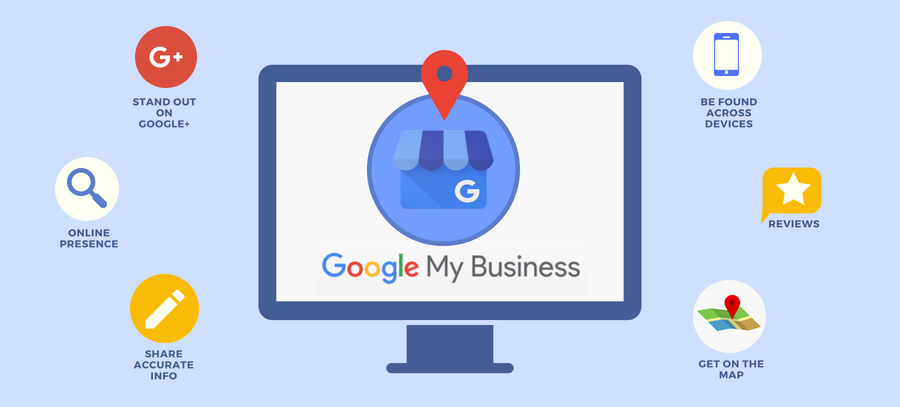
1. Optimize Your Google Business Profile (GBP)
Your Google Business Profile is often the first impression potential clients have of your services. An optimized GBP enhances your visibility in local searches and builds trust with prospective clients.
Steps to Optimize:
Claim and Verify: Ensure you’ve claimed your GBP and verified your business information.
Complete Every Section: Fill out all details, including business hours, services offered, and contact information.
High-Quality Photos: Upload professional images of your listings, office, and team to showcase your brand.
Encourage Reviews: Actively request reviews from satisfied clients and respond promptly to feedback.
Utilize Posts: Regularly update your GBP with posts about new listings, open houses, or market updates.
A well-maintained GBP can significantly boost your local search rankings and attract more clients.
2. Target Hyper-Local Keywords
While broad terms like “real estate agent” are highly competitive, focusing on hyper-local keywords can yield better results.
Strategies:
Neighborhood-Specific Terms: Use keywords like “homes for sale in [Neighborhood Name]” or “condos in [Specific Area]”.
Long-Tail Keywords: Incorporate phrases that potential clients might use, such as “best schools in [City]” or “pet-friendly apartments in [Area]”.
Use Keyword Research Tools: Platforms like Ubersuggest or Wordstream can help identify valuable local keywords.
By aligning your content with the specific terms your target audience uses, you increase the likelihood of appearing in relevant searches.
3. Create Location-Specific Content
Developing content tailored to specific neighborhoods or communities positions you as a local expert.
Content Ideas:
Neighborhood Guides: Highlight amenities, schools, parks, and other features of specific areas.
Market Updates: Provide regular insights into local real estate trends and statistics.
Community Events: Share information about upcoming events or local news that might interest potential buyers.
Such content not only aids in SEO but also builds trust with your audience by showcasing your in-depth local knowledge.
4. Ensure NAP Consistency Across All Platforms
NAP stands for Name, Address, and Phone number. Consistency in this information across all online platforms is crucial for local SEO.
Tips:
Audit Your Listings: Regularly check directories, social media profiles, and other platforms to ensure your NAP details are consistent.
Use a Standard Format: Decide on a specific format for your business name and stick to it across all platforms.
Update Changes Promptly: If you move offices or change phone numbers, update this information everywhere immediately.
Inconsistent NAP information can confuse search engines and potential clients, negatively impacting your search rankings.
5. Build Local Backlinks
Backlinks from reputable local websites signal to search engines that your site is trustworthy and relevant to the local community.
How to Acquire:
Collaborate with Local Businesses: Partner with local businesses for events or promotions and get featured on their websites.
Sponsor Community Events: Sponsoring events can lead to mentions and links from event pages or local news outlets.
Engage with Local Bloggers: Offer to provide expert insights or guest posts on local blogs.
These backlinks not only boost your SEO but also increase your visibility within the community.
6. Optimize for Mobile Users
With a significant number of property searches conducted on mobile devices, ensuring your website is mobile-friendly is essential.
Optimization Tips:
-
Responsive Design: Ensure your website adjusts seamlessly to different screen sizes.
-
Fast Loading Speeds: Compress images and utilize efficient coding practices to reduce load times.
-
Simplified Navigation: Make it easy for users to find listings, contact information, and other essential details.
A mobile-optimized website enhances user experience and can positively influence your search rankings.
7. Leverage Online Reviews
Positive reviews not only build trust with potential clients but also play a role in local search rankings.
Best Practices:
-
Request Reviews: After successful transactions, kindly ask clients to leave reviews on platforms like Google, Zillow, or Yelp.
-
Respond to Feedback: Engage with all reviews, thanking clients for positive feedback and addressing any concerns raised.
-
Highlight Testimonials: Feature glowing reviews on your website and marketing materials.
Active management of your online reputation can differentiate you from competitors and instill confidence in prospective clients.
8. Utilize Structured Data Markup
Implementing structured data (schema markup) helps search engines better understand your website’s content, potentially leading to enhanced search result listings.
Benefits:
Rich Snippets: Display additional information like ratings, prices, or availability directly in search results.
Improved Click-Through Rates: Enhanced listings can attract more clicks from users.
Better Indexing: Search engines can more accurately index your content, improving visibility.
By providing clear context about your listings and services, structured data can give you an edge in search rankings.
9. Engage with Local Directories and Citations
Being listed in reputable local directories increases your online presence and provides valuable backlinks.
Steps:
-
Identify Relevant Directories: List your business on platforms like Realtor.com, Zillow, and local chamber of commerce websites.
-
Ensure Accurate Information: Maintain consistent NAP details across all listings.
-
Update Regularly: Periodically review and update your listings to reflect any changes in your business.
These listings not only aid in SEO but also make it easier for potential clients to find and contact you.
10. Monitor and Analyze Your SEO Performance
Regularly assessing your SEO efforts ensures you’re on the right track and allows for timely adjustments.
Tools to Use:
-
Google Analytics: Track website traffic, user behavior, and conversion rates.
-
Google Search Console: Monitor search performance, identify indexing issues, and understand how Google views your site.
-
SEO Platforms: Tools like SEMrush or Ahrefs can provide insights into keyword rankings, backlinks, and competitor analysis.
By staying informed about your website’s performance, you can make data-driven decisions to enhance your local SEO strategy.
Conclusion
Dominating Google’s local search results requires a multifaceted approach, combining technical optimization, content creation, and community engagement. By implementing the strategies outlined above, you position yourself as a trusted local expert, making it easier for potential clients to find and choose your services. Remember, consistency and ongoing effort are key…local SEO is not a one-time task but a continuous journey towards online prominence.
Want all of this done for you? Contact Digital Dream Homes today for a free strategy call.
Matt Pieczarka
Want a Free Website Audit?
Fill out your information below and we will send you a personal screen share video of tips on how to make your actual website better!
Other Posts You Might Like…
- Free SEO Tracking Tools for Small Business That Actually Work
- How Long to Rank Small Business Website on Google? The Real Timeline
- Importance of Google Reviews for Small Business: Rank Faster, Earn Trust
- SEO Mistakes Small Business Owners Make: Fix These Fast
- SEO Blogging Tips For Small Business: Write Posts That Rank
- Backlinks for Small Business Websites: Why Backlinks Matter for Local Businesses
- On-Page SEO Checklist for Small Business Websites
- Google Business Profile Setup for Small Business: The Beginner’s Guide
- Local SEO for Small Businesses: Tips for Small Business Owners
- What is a Listicle and Why Your Website Needs One
How to Create a Lead Magnet for Your Personal Trainer Website That Actually Gets Email Sign-Ups
A free workout PDF isn't enough anymore. Discover the 5 lead magnet formats converting best for personal trainers in 2025 and the step-by-step process to build and promote yours to
The Personal Trainer’s Complete Website SEO Audit: How to Find and Fix What Google Hates
Running a full website SEO audit sounds intimidating until you have this checklist. Find exactly what's blocking your rankings and get a prioritized fix list you can work through i
How to Use Client Testimonials on Your Personal Trainer Website to 10x Your Trust
Social proof is the #1 conversion factor on personal trainer websites. Learn where to place testimonials, what format converts best, and how to ethically collect compelling client
27. Personal Trainer Website Speed: How Slow Load Times Are Losing You Clients Before They See You
A 1-second delay in load time reduces conversions by 7%. Here's how to check your fitness website's speed and the 5 fixes that make the biggest difference for personal trainer site
How to Add Online Booking to Your Personal Trainer Website Without a Developer
Sending clients to DM you or text for bookings is killing your conversion rate. Here's how to add online scheduling to your personal trainer website in under 2 hours with no coding
How to Write a Personal Trainer Bio That Makes Strangers Want to Train With You
Your bio is the most-read page on your website and most trainers get it completely wrong. Here's the structure, language, and storytelling formula for a bio that builds trust and b
10 Personal Trainer Website Mistakes That Are Costing You Clients Every Single Day
Your website might be turning away dream clients before they ever read a word. Here are 10 costly website mistakes personal trainers make and exactly how to fix each one today.
The Personal Trainer Homepage Formula: What to Put Above the Fold to Stop Visitors From Leaving
You have 3 seconds before a website visitor bounces. This proven homepage formula tells personal trainers exactly what headline, image, and CTA to use above the fold to make visito
Squarespace vs WordPress for Personal Trainers: Which Platform Wins in 2026?
Choosing the wrong platform wastes months of work. This side-by-side comparison breaks down Squarespace vs WordPress for personal trainers based on cost, SEO, ease of use, and book