9 Home Inspection Red Flags Realtors Must Catch in 2026
Want More Clients Fast?
Steal This Website Rescue Kit to Get More Clients, More Calls, and More Sales on Autopilot
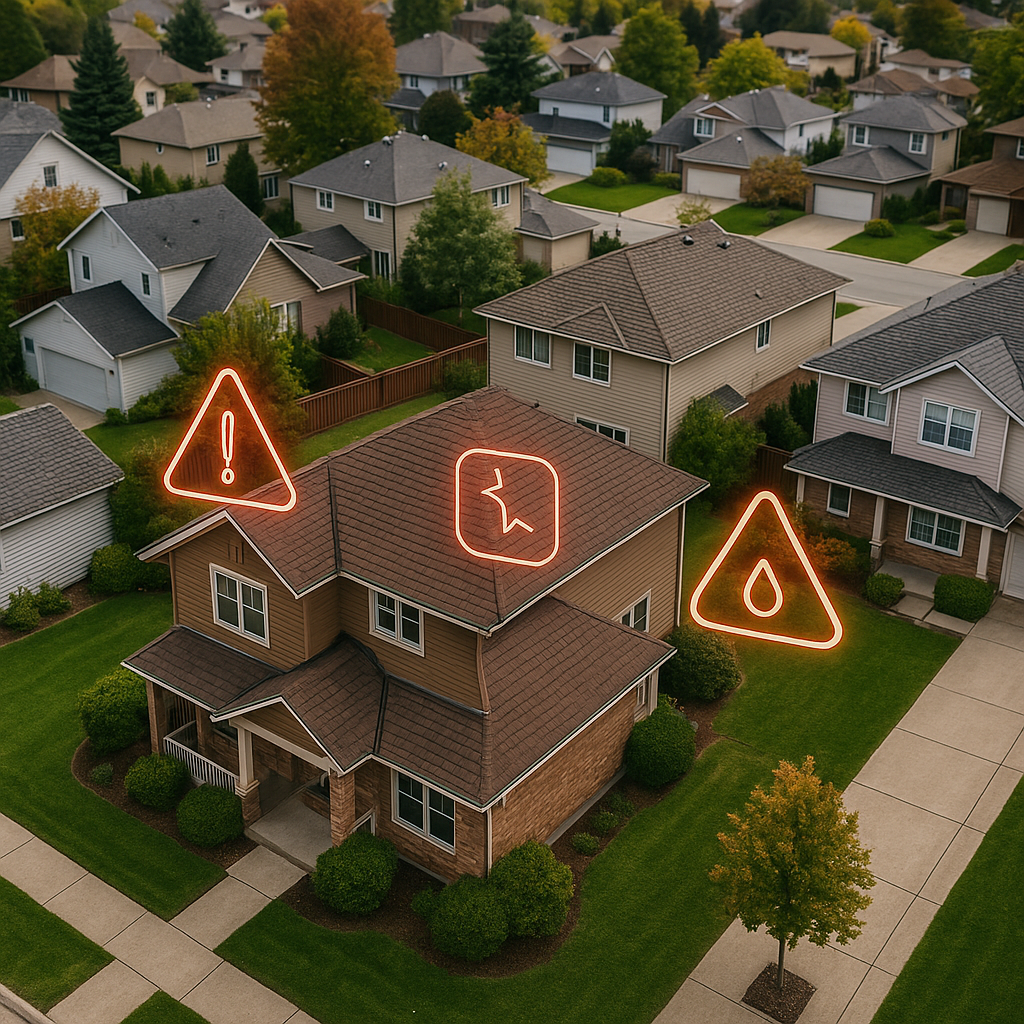
When it comes to guiding clients through the buying or selling process, spotting home inspection red flags for realtors can make the difference between a smooth closing and a deal falling apart. Buyers lean on your expertise to help them interpret inspection reports, while sellers count on you to advise them on what repairs or disclosures are necessary. Understanding which red flags carry real weight in 2026 will position you as the trusted professional your clients need.
Why Home Inspection Red Flags for Realtors Matter
Not every issue uncovered in an inspection is a dealbreaker. Peeling paint or a loose doorknob won’t scare off serious buyers. But major system failures, safety concerns, or hidden structural problems can quickly shift negotiations, lower offers, or even cancel contracts. As a realtor, being able to interpret what’s serious versus what’s cosmetic strengthens your credibility and helps you better serve both sides of the transaction.
Buyers see you as their safety net. Sellers see you as their strategic guide. Knowing these red flags allows you to protect your reputation and keep deals on track.
Top Home Inspection Red Flags Realtors Should Watch
Let’s break down the most common (and costly) red flags realtors should keep in mind.
1. Foundation and Structural Issues
One of the biggest deal-killers in any transaction is a compromised foundation. Cracks in the basement, sloping floors, or doors that won’t close properly often point to deeper structural concerns. These repairs can easily climb into the tens of thousands of dollars, which is why buyers quickly get nervous.
Realtor tip: If your buyer is interested in an older property, encourage them to budget for a structural engineer review. For sellers, spotting cracks early and addressing them can help avoid surprises later.
2. Roof Problems
Roof issues are another heavy hitter. Missing shingles, poor drainage, or visible sagging can lead to leaks, mold, and insulation damage. In 2026, average roof replacement costs range from $10,000 to $25,000, depending on materials. That’s a number that buyers can’t easily ignore.
Scenario: Imagine showing a charming colonial where everything looks pristine inside. Then the inspection reveals a 20-year-old roof with curling shingles. Without preparation, your buyer may walk. But with your guidance, you can help them negotiate a credit or push for replacement before closing.
3. Plumbing and Sewer Concerns
Old cast iron or galvanized pipes, low water pressure, and sewer line backups are red flags that can sink confidence quickly. A damaged sewer line replacement can exceed $15,000. Buyers who already stretched their budget may feel they’re buying a ticking time bomb.
4. Electrical Hazards
Outdated knob-and-tube wiring, overloaded panels, or exposed wires aren’t just expensive to repair—they’re dangerous. Buyers with families will see this as a non-negotiable. Electrical panel replacements often run between $2,000 and $5,000, but major rewiring can push costs much higher.
5. Mold and Water Damage
Mold isn’t always visible, but when it shows up in inspection reports, it sparks immediate concern. Beyond the health risks, mold remediation costs vary widely, from a few thousand dollars to over $20,000 in severe cases. Realtors should be ready to explain the difference between minor surface mold and systemic water intrusion problems.
6. HVAC System Failures
Heating and cooling systems that are outdated or non-functional create a big financial question mark. A full replacement averages $7,500–$12,000. Buyers expect safe, efficient systems—especially in competitive markets.
7. Environmental Hazards
Asbestos, radon, or lead-based paint might feel like relics of the past, but they still appear in inspections. In fact, newer studies show radon is more common than many homeowners realize. Buyers today are more informed, and environmental hazards will often require mitigation before moving forward.

How Realtors Can Navigate These Red Flags
Red flags don’t always mean a deal is dead. Smart realtors know how to position issues as opportunities for negotiation or use them to build trust with clients.
Here’s how you can guide your clients:
Set Expectations Early
Let buyers know no home is perfect. Sellers should also be advised that buyers will likely find something to negotiate.Bring in Specialists
Recommend further evaluations by structural engineers, plumbers, or electricians when needed. This prevents surprises later.Use Repair Credits Strategically
Instead of scaring buyers away, frame problems as leverage to negotiate a better price or seller credit.Know What’s Cosmetic vs. Critical
Teach clients to differentiate between minor repairs (like chipped tiles) and major safety issues (like faulty wiring).Document Everything Clearly
Keeping inspection responses organized shows professionalism and makes transactions smoother.
Real-World Example
You’re representing a young couple buying their first home. The inspection reveals moisture in the basement. At first, they panic. Instead of letting the deal collapse, you explain that while waterproofing could cost $5,000, the seller is motivated and willing to credit them $7,500. Not only does the couple move forward, but they now see you as a problem-solver who protects their best interests.
Marketing Angle: Use Home Inspection Knowledge to Build Authority
Here’s the hidden advantage: writing or speaking about home inspection red flags for realtors online builds credibility with potential clients. Imagine publishing blog posts, social media tips, or even short videos on the subject. Clients start to see you as the expert who understands the pitfalls and knows how to navigate them. That’s content marketing gold.
If you’re not already building out your authority online, check out our post on the Best Free Tools for Realtors to help you get started quickly. Pair that with smart lead generation strategies like Facebook Ads vs Google Ads for Realtors, and you’ll be miles ahead of your competition.
For deeper marketing systems, explore the Top 5 Best CRMs for Realtors, learn how to avoid Top 7 SEO Mistakes Realtors Make, and see how Real Estate SEO Best Practices can grow your organic traffic. Other helpful reads include How Realtors Can Dominate Google with Local SEO, Best IDX Plugins for WordPress, and How to Capture Seller Leads with a Home Value Tool.
Conclusion
Understanding home inspection red flags for realtors is about more than just saving deals. It’s about protecting your clients, building trust, and positioning yourself as a knowledgeable guide in every transaction. The more confidently you can walk buyers and sellers through these challenges, the more referrals and repeat business you’ll generate.
Want to position yourself as the go-to expert in your market? Book a free consultation with Digital Dream Homes today, and let’s build a website that showcases your expertise and attracts more clients.
Matt Pieczarka
Want a Free Website Audit?
Fill out your information below and we will send you a personal screen share video of tips on how to make your actual website better!
See How Many Closings You're Losing to Zillow!
Click Here to Use our Calculator to See How Many Clients Zillow is Taking From You Per Year!
Some More Posts About Strategy and Growth…
- Marketing Plan For Small Business 2026 Every Owner Should Copy
- Benefits of Professional Website for Small Business: The Hidden Profits
- How to Get More Referrals for Small Local Business Fast
- Customer Retention Strategies Small Business Owners Never Hear About
- How Small Businesses Compete Online And Actually Win In 2026
- Blogging for Small Business Growth: 2026 Profit Multiplier
- Sales Funnel For Small Business Website That Prints Money
- What Is A Listicle And Why Your Website Desperately Needs One
- Strategic Website Design That Turns Small Business Clicks Into Clients
- The Simple Blueprint to Explosive Small Business Growth
6 Real Estate Ad Copy Formulas That Convert
Hire a real estate ad copywriting service or use these 6 formulas to write ads that generate clicks and conversions.
3 Ways to Capture Leads From Your Open House
Use open house lead capture technology to collect every visitor's info. 3 methods that turn foot traffic into follow-ups.
7 Listing Marketing Plans That Sell Homes Faster
Offer real estate listing marketing services that wow sellers. 7 plans that sell homes faster and win you referrals.
8 Ways to Get More Leads From Your IDX Website
Maximize IDX lead capture optimization with 8 tweaks that turn property searchers into registered leads on your site.
4 Drip Campaign Templates for New Real Estate Leads
Launch a real estate drip campaign service with 4 templates that nurture cold leads into listing appointments.
5 Ways to Use YouTube to Get Listing Leads
Start YouTube marketing for real estate agents and attract listing leads with video. 5 strategies that build authority.
6 Types of Content That Attract Home Sellers
Use content marketing for real estate listings to attract sellers. 6 content types that position you as the expert.
9 Website Speed Fixes That Boost Your Lead Flow
Hire a real estate website optimization service or DIY these 9 speed fixes that increase lead form submissions.
3 Ways to Get Exclusive Seller Leads Online
Generate exclusive seller leads for realtors with 3 strategies that deliver leads only to you, not shared with competitors.