

Building Customer Trust For Small Business In 7 Simple Steps
Quick heads-up: This simple tweak learned in this post helped one of our clients boost conversions by 47%
If you care about building customer trust for small business, you are already ahead of most competitors. In a world of scammy ads and sketchy websites, trust is the real currency that gets people to click, call, and buy.
Want a website that makes you money? Book a strategy call with Digital Dream Homes now.
Building Customer Trust For Small Business Starts Online
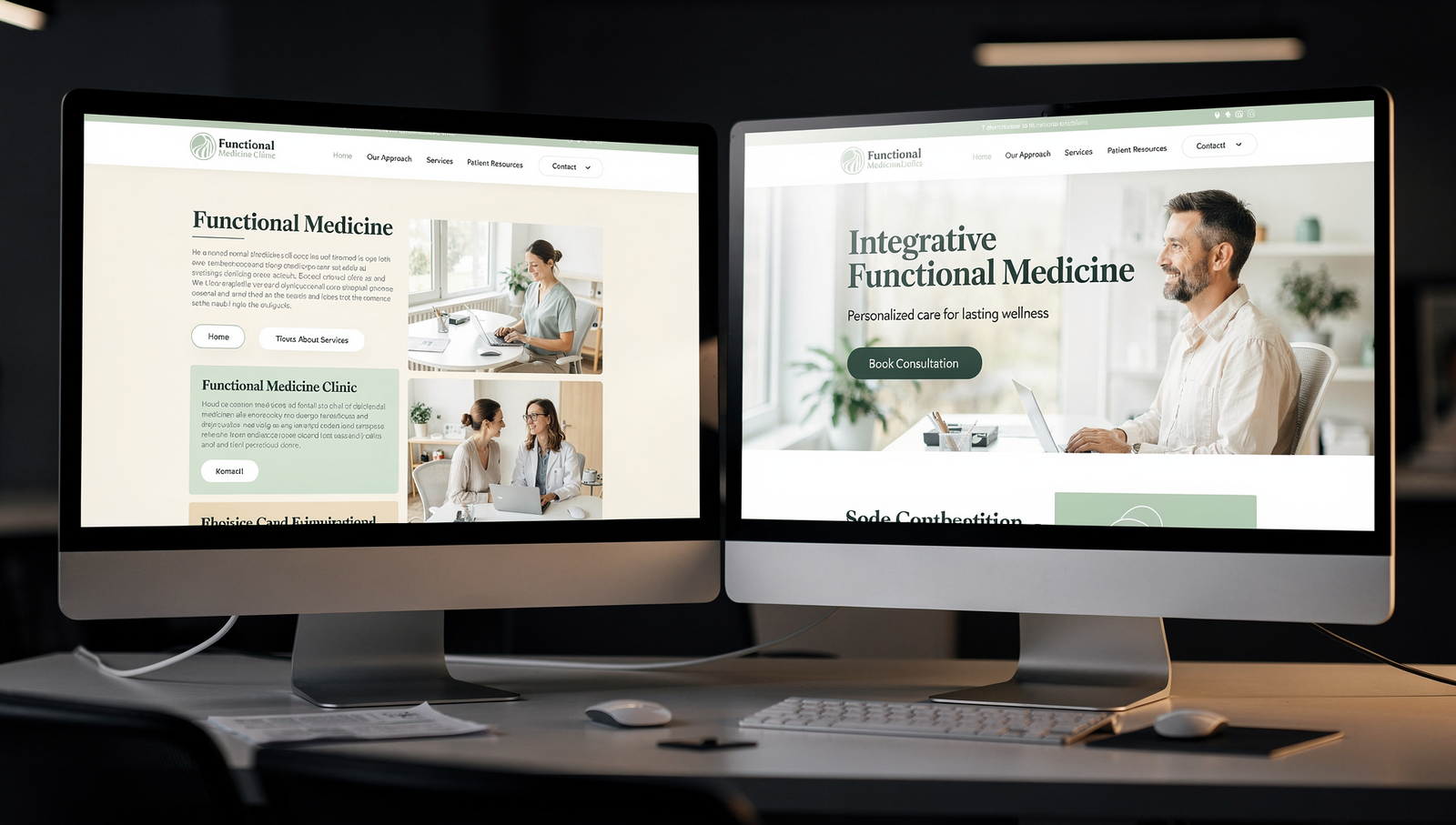
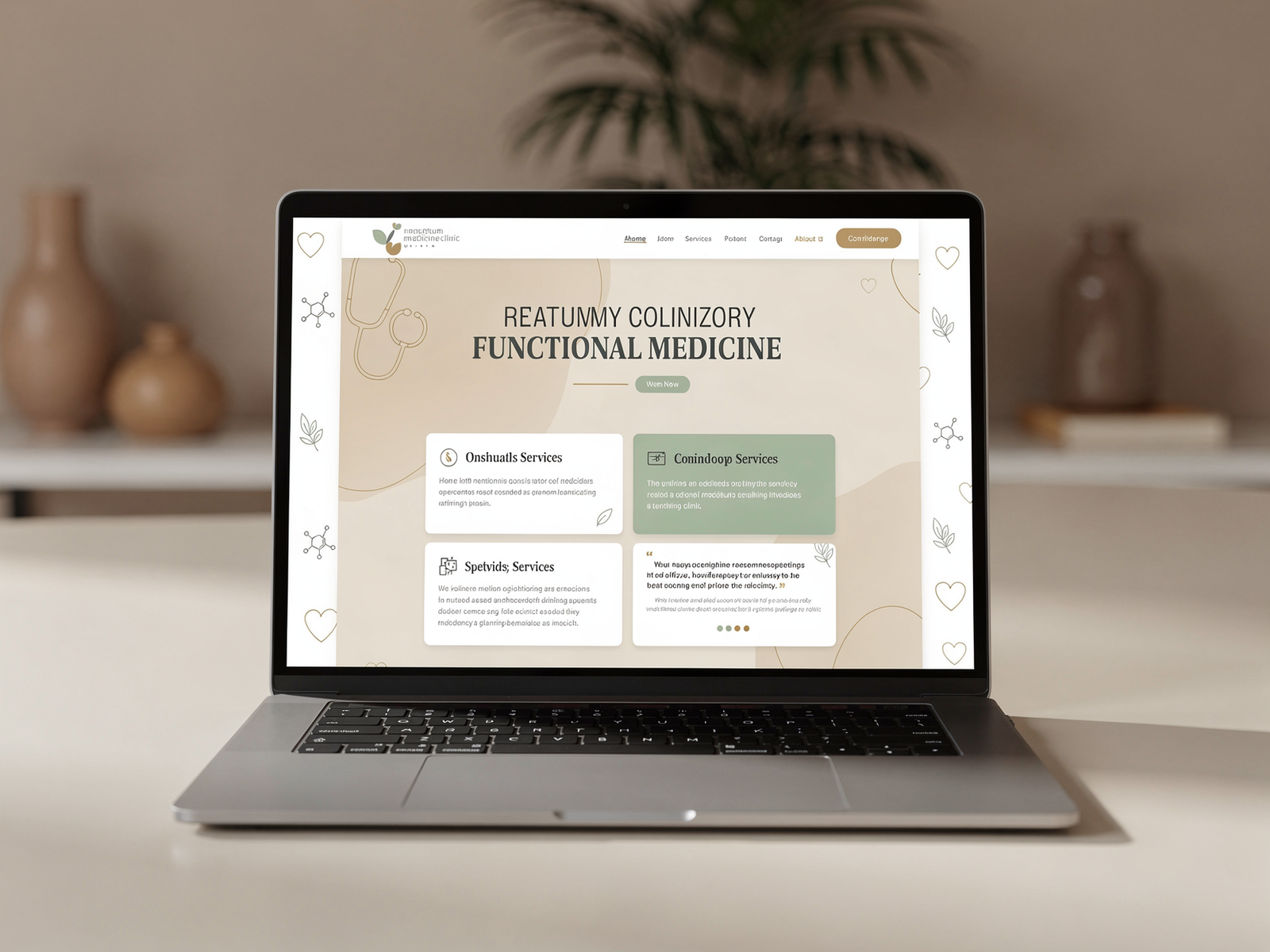
For most people, your website is their first real interaction with your brand. Before they ever walk into your shop or schedule a call, they are silently judging your credibility in about three seconds.
That is why a clean, professional site is step one. If your pages are outdated, slow, or confusing, people feel uneasy. A guide like How To Create A Professional Website For Your Small Business walks you through the basics of looking legit online before you ever spend a dollar on ads.
Studies have shown that a large majority of buyers research a business online before making a purchase. If your digital storefront feels trustworthy, you win the first impression.
Want a Free Website Audit?
Fill out your information below and we will send you a personal screen share video of tips on how to make your actual website better!
Step 1: Be Clear About Who You Are And What You Do
Trust starts with clarity.
When someone lands on your homepage, they should instantly understand:
Who you serve
What you do
What problem you solve
If your headline could belong on any random website, it is time to tighten it up. Instead of “Welcome to our website,” try something like “Stress free lawn care for busy families in Tampa.”
Clarity makes you feel honest. Confusion makes you feel risky.
Step 2: Show Pricing Or At Least How Pricing Works
One of the easiest ways to start building customer trust for small business is to reduce “price anxiety.”
You can do that by:
Sharing starting prices or typical ranges
Explaining what is included in your services
Outlining payment plans or how billing works
You do not have to list every possible price, but you should give enough information so people are not scared to reach out. A clear “Pricing” or “How It Works” section can do a lot of heavy lifting.
When you eventually run ads (for example using ideas from 9 Reasons Small Business Should Hire A Google Ads Agency), a transparent pricing message on the landing page will boost conversions and cut down on tire kickers.
Step 3: Use Social Proof That Feels Real, Not Fluffy
People trust other people more than they trust marketing.
Add:
Detailed testimonials with names and locations
Short case studies that show before and after
Logos or photos of real clients if appropriate
The more specific your proof is, the more believable it feels. “Matt is great” is nice. “Matt built my new site and my calls doubled in 60 days” is convincing.
If you are already blogging, you can weave this proof into your content. Posts like Benefits Of Blogging For Small Business show how consistent content and real results work together to position you as the trusted expert in your niche.
Step 4: Communicate Like A Human, Not A Robot
Your tone of voice is a big part of trust. If your website sounds like a legal document, you feel distant. If your emails sound like a scam, you lose people instantly.
A few simple rules:
Use plain language your customers actually use
Avoid jargon unless your audience loves it
Write like you are talking to one real person
This applies to your blog posts too. When you follow frameworks like the ones in SEO Blogging Tips For Small Business: Write Posts That Rank, you can be both search friendly and human friendly at the same time.
Light nerdy humor helps as well. If a quick “I promise this will not require a computer science degree” fits your personality, use it. It makes you feel real.
Step 5: Be Transparent About Processes And Expectations
One of the fastest ways to earn trust is to explain what happens next.
Answer questions like:
What happens after someone fills out a form
How long until they hear from you
What the first meeting or service visit looks like
How long your typical projects take
You can share this in a simple “Our Process” section, with steps such as:
Quick discovery call
Custom plan or quote
Service delivery
Follow up and support
When people can see the path, they relax. They are not just buying your service, they are buying a clear, predictable experience.
Step 6: Make It Easy To Contact You And Get A Response
Trust drops fast when it is hard to reach you.
To keep things simple:
Display phone number, email, and contact form clearly
Share your business hours
Set expectations like “We respond within one business day”
Using smart forms and tools from Top Lead Capture Tools For Small Business That Really Work In 2026 can help you organize leads and make sure no one falls through the cracks.
The key is not just being reachable, but being predictable. When clients know you will actually respond, they trust you more and are more willing to book.
Step 7: Stay Consistent Across Your Website, Blog, And Social Media
Nothing kills trust faster than mixed signals.
If your website says one thing, but your social media looks abandoned, people wonder if you are still in business. If your blog has not been updated since 2021, they question how active you really are.
Consistency across channels shows you are stable and reliable:
Post helpful blogs regularly
Share short wins and tips on social media
Keep your hours, services, and contact details updated
If you need ideas for staying visible, Social Media Engagement Tips For Small Business That Build Superfans is packed with simple moves you can use even if you are busy and not a full time content creator.
Pair that with regular blog content from SEO Blogging Tips For Small Business: Write Posts That Rank, and you create a steady flow of value that builds trust week after week.
Step 8: Educate Instead Of Just Pitching
One last powerful transparency move is to teach instead of only selling.
When you share tips, how tos, and behind the scenes insights, you show that you care about helping people even before they pay you. That is why content based strategies like those in Benefits Of Blogging For Small Business are so effective.
Think:
Short blog posts that answer common questions
Simple explainer videos
Guides that help people make better decisions
Education is a long term trust builder. When clients finally are ready to buy, they already see you as the obvious choice.
Conclusion: Building Customer Trust For Small Business Is Your Real Superpower
In crowded markets, the small business that wins is not always the cheapest or the flashiest. It is usually the one that feels the most trustworthy.
By focusing on clarity, social proof, honest communication, and transparent processes, you can make building customer trust for small business the foundation of everything you do. When your website, blog, and social presence all reflect that same transparent, helpful approach, more people will feel safe choosing you.
If you want help turning that trust into a beautiful, high converting online presence, Digital Dream Homes is here to help.
Ready to build a transparent, trustworthy brand and a website that actually makes you money
Book a free strategy call below with Digital Dream Homes today.
Matt Pieczarka
More Posts About Branding and Reputation…
- Building Customer Trust For Small Business In 7 Simple Steps
- Customer Testimonials Small Business Branding Secrets That Explode Trust
- Brand Voice Tips For Small Business That Actually Connect
- Personal Branding For Small Business Owners Who Want More Clients
- Authentic Branding For Small Business In 2026
- Responding To Negative Reviews Small Business Owners Can Turn Into Sales
- Brand Visuals For Small Business That Actually Get Noticed
- How To Write About Us Page For Small Business For More Leads
- Branding Secrets That Turn Small Businesses Into Local Legends
- Branding Secrets Every Small Business Owner Needs to Know
7 Local SEO for HVAC Company Websites Best Practices
7 Local SEO for HVAC Company Websites Best Practices The tricks learned in this video and blog post have gotten one of our HVAC clients an average of one new lead per day! W
7 Mobile Friendly HVAC Website Design Tips That Get Calls
7 Mobile Friendly HVAC Website Design Tips That Get Calls Check out the video for a behind the scenes look at optimizing a website for mobile devices Want More Clients Fast?
8 Best HVAC Website Design Ideas
8 Best HVAC Website Design Ideas The tricks learned in this video and blog post have gotten one of our HVAC clients an average of one new lead per day! Want More Clients Fas
7 Steps to Build a HVAC Company Website That Gets Leads
7 Steps on How to Build a HVAC Company Website That Generates Leads The tricks learned in this video and blog post have gotten one of our HVAC clients an average of one new
8 Local HVAC Social Media Marketing Tactics to Own Your City
8 Local HVAC Social Media Marketing Tactics to Own Your City After we tightened one HVAC client’s social targeting to just three neighborhoods, they booked 17 service calls in 30
7 HVAC Social Media KPIs That Actually Drive Revenue
7 HVAC Social Media KPIs That Actually Drive Revenue The tricks learned in this video and blog post have gotten one of our HVAC clients an average of one new lead per day! https://
7 Must Know Truths About Social Media Marketing For HVAC
7 Must Know Truths About Social Media Marketing For HVAC One HVAC client went from ‘boosting posts’ to booking 18 qualified service calls in 30 days once their social ads and w
7 HVAC Social Media Content Ideas That Don’t Feel Salesy
7 HVAC Social Media Content Ideas That Don’t Feel Salesy Check out the video for a behind the scenes look of how we run our clients social media accounts to turn followers into c
Posting Too Much or Too Little? HVAC Social Media Explained
How Often Should HVAC Companies Post on Social Media? Posting Too Much or Too Little? HVAC Social Media Explained One of our HVAC clients followed this exact posting schedule and w