Google Ads vs Facebook Ads Small Business Showdown
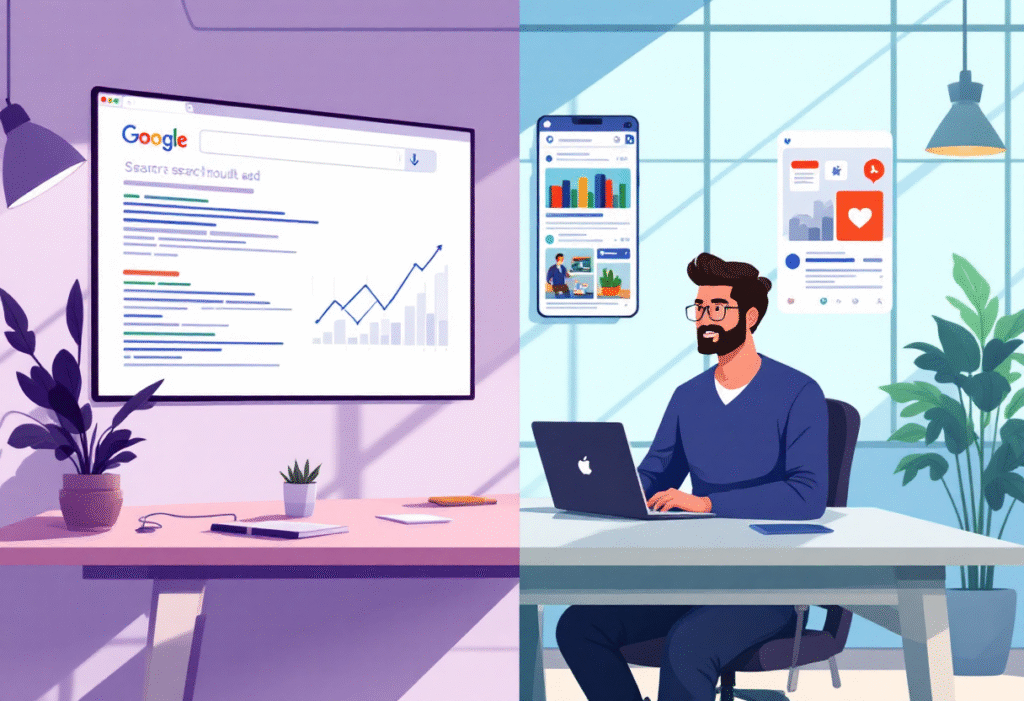
If you are weighing google ads vs facebook ads small business results, you are already ahead of most owners. Both platforms can work, but they shine in different ways depending on your goal, budget, and timeline. This guide breaks down the key differences with plain language and practical examples so you can pick the right mix for your next campaign.
Want a website that makes you money? Book a strategy call with Digital Dream Homes now.
Google Ads vs Facebook Ads Small Business: The Quick Answer
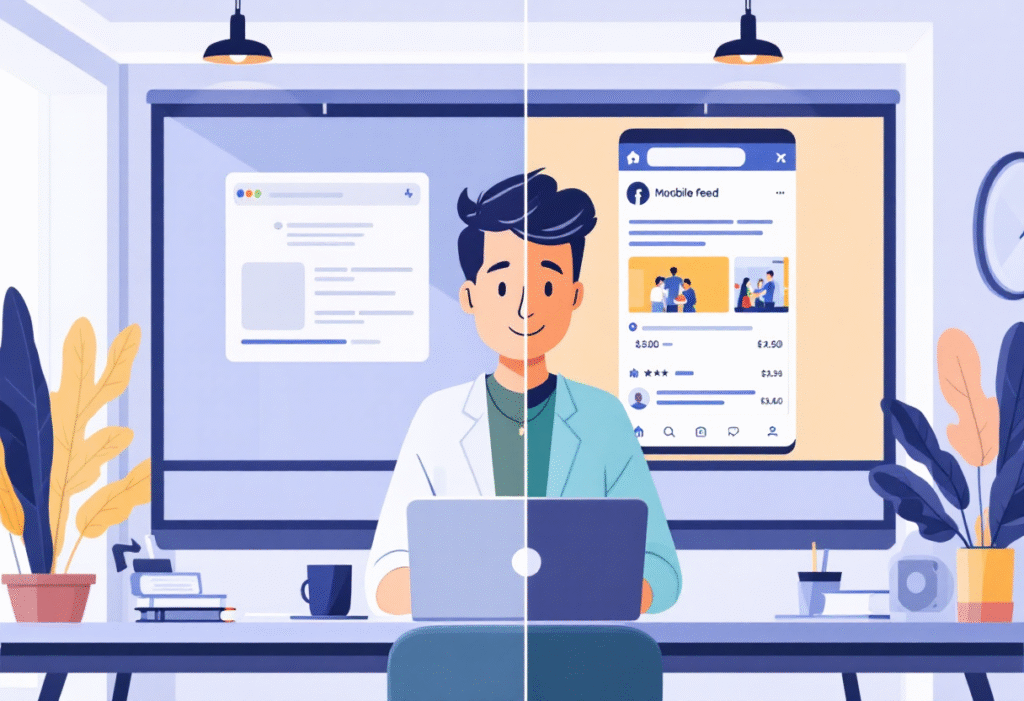
Use Google Ads when you want buyers who are actively searching for your product or service right now. Use Facebook Ads when you want to build demand, stay top of mind, and reach people who match your ideal customer even if they are not searching today. The best choice is often a hybrid plan that captures ready buyers on Google while warming new audiences on Facebook.
How Google Ads Works in Real Life
Google Ads captures high-intent searches. Someone types “emergency plumber near me” or “best gluten free bakery in Phoenix” and your ad appears above the results.
Great for
Lead generation now
Local services with urgent needs
Niche products with clear keywords
Example: A boutique landscaping company targets “front yard design ideas” and “landscaper near me.” Visitors land on a clean service page with a quote form. Because searchers want help today, form fills come fast.
Why it converts: People show intent with their keywords. You pay for clicks that already signal interest.
Want a Free Website Audit?
Fill out your information below and we will send you a personal screen share video of tips on how to make your actual website better!
How Facebook Ads Works in Real Life
Facebook and Instagram Ads target people by interests, behaviors, and lookalikes. You are not waiting for a search. You are putting the right message in front of the right person in the right feed.
Great for
Building awareness and trust
Promoting offers like coupons, lead magnets, or events
Visual brands that benefit from photo and video
Example: A new fitness studio runs a 14-day trial ad to women ages 25–55 within five miles who follow wellness pages. The ad uses a video tour and a simple sign-up form. People who never searched for a gym discover the studio and try it.
Why it converts: You create demand with creative, social proof, and offers, then retarget people who engage.
Cost, Speed, and ROI
Results vary by industry and city, but these patterns hold for many small businesses.
Google Ads
Cost per click is often higher for competitive keywords
Speed to lead is fast because clicks have intent
Conversion rates can be strong when landing pages match the keyword
Facebook Ads
Cost per 1,000 impressions is often lower
Clicks can be cheaper, but intent is lower
Retargeting lifts performance over time as your audience warms up
Tip for both: A clear offer and a fast, mobile-friendly page are make-or-break. If you need a refresher on timelines for organic visibility, read How Long To Rank A Small Business Website On Google.
Targeting and Creative Differences
Google Ads
Targets keywords, location, device, and schedule
Works best with tight ad groups and specific landing pages
Ad copy should mirror the exact search phrase
Facebook Ads
Targets interests, demographics, custom audiences, and lookalikes
Creative wins or loses the campaign
Use short videos, before and after photos, and social proof
Need ideas for short-form content that drives clicks from social to site? Check Instagram Reels Ideas for Small Business.
Which Platform For Your Goal
Goal 1: Book More Appointments This Week
Choose Google Ads with call extensions and a booking page. Bid on bottom-funnel keywords like “near me,” “cost,” and “best.”
Goal 2: Fill The Top Of Your Funnel
Choose Facebook Ads with a lead magnet such as a checklist or coupon. Nurture sign-ups by email. Not sure what to offer? See Email List Building for Small Business.
Goal 3: Promote An Event Or Seasonal Sale
Run Facebook Ads for reach and add Google Ads on brand and product terms so searchers find you instantly.
Goal 4: Rank Better Over Time
Ads will not replace SEO, but they support it by driving traffic that engages and converts. Pair your ad plan with a content cadence following How Often Should You Post Blogs for SEO.
A Simple Budget Framework
Start small, then scale what works.
Allocate 60 percent to the platform aligned to your main goal this month.
Allocate 30 percent to the secondary platform for retargeting and support.
Keep 10 percent for testing new audiences, creatives, and keywords.
Example: If you need sales this week, put 60 percent into Google search, 30 percent into Facebook retargeting of site visitors, and 10 percent into testing new social creatives.
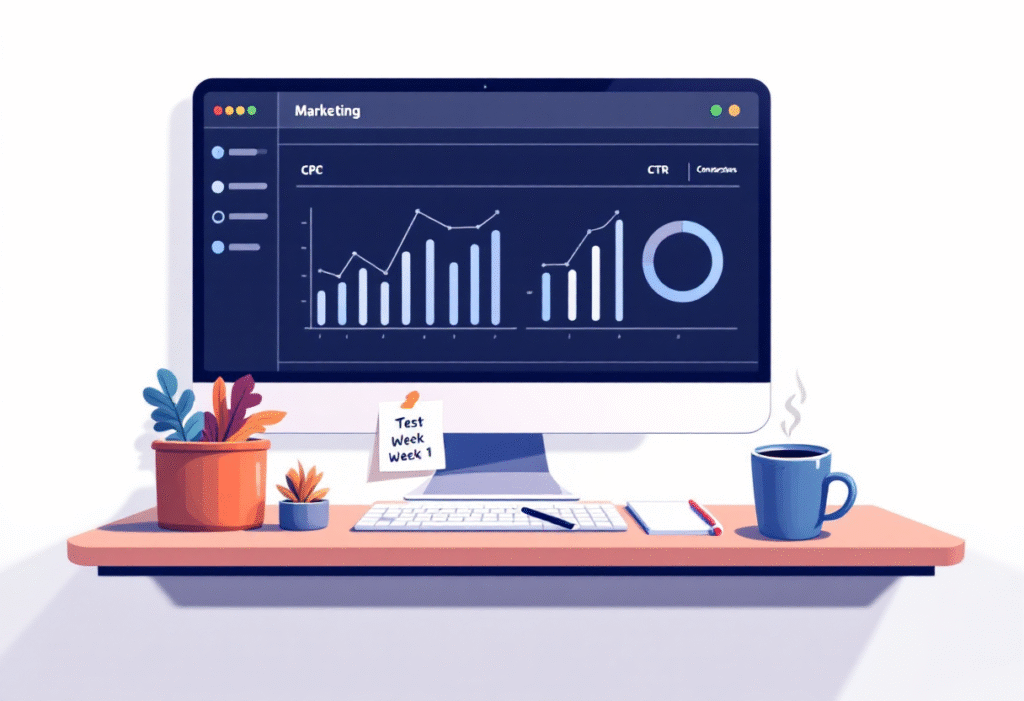
Must-Have Tracking For Both
Google Analytics 4 with conversions set up
UTM links on every ad
Call tracking for phone leads
Lead form integrations that push contacts into your CRM or email tool
Testing is easier when your content also performs organically. For traffic that snowballs, read How to Create Shareable Content That Brings Traffic and Local Hashtags for Small Business Marketing.
Creative That Converts
For Google Ads
Use responsive search ads with variations
Mirror the keyword in the headline and H1
Send visitors to a single-purpose landing page with one clear call to action
For Facebook Ads
Lead with a strong hook in the first second of video
Add subtitles for sound-off viewing
Use benefit-focused copy and a short call to action
Real-World Mini Scenarios
Home cleaning company: Google wins on “same day house cleaning.” Add Facebook retargeting to bring back visitors who read your pricing page.
Boutique bakery: Facebook wins with mouthwatering video and a limited-time offer. Add Google for brand terms when people search your name after seeing the ad.
HVAC contractor: Google wins on emergency repairs. Facebook builds off-season tune-up demand and grows reviews and referrals.
For more ideas on paid and organic balance, check How to Make Viral Content for Small Business.
Common Mistakes To Avoid
Sending all traffic to the home page instead of a focused landing page
Skipping negative keywords in Google Ads
Running broad Facebook audiences without retargeting
Ignoring creative fatigue and letting results slide
Not following up quickly on form fills and calls
The Bottom Line
For google ads vs facebook ads small business campaigns, think strategy first. Use Google to capture buyers with intent and Facebook to create demand and nurture relationships. Most small businesses grow faster with a smart combo of both, backed by clean tracking, strong creative, and a website that converts.
Ready to choose the right mix for your budget and market? Book a free strategy call with Digital Dream Homes and let’s build a plan that turns clicks into customers.
Matt Pieczarka
Other Posts About Google Ads You’ll Find Useful…
- Google Analytics For Small Business Owners: Your Secret Weapon
- Retargeting Ads For Small Business That Win More Clients
- Google Ads Budget For Small Business: The Simple Math That Works
- 9 Reasons Small Business Should Hire a Google Ads Agency
- Google Ads ROI Tracking For Small Business That Actually Works
- Google Ads Copywriting Tips Small Business Owners Can Use Today
- 12 Small Business Google Ads Mistakes to Avoid
- Best Google Ads Keywords for Small Business That Actually Convert
- How to Set Up Google Ads for Small Business Step-By-Step
- Google Ads vs Facebook Ads Small Business Showdown
How to Create a Lead Magnet for Your Personal Trainer Website That Actually Gets Email Sign-Ups
A free workout PDF isn't enough anymore. Discover the 5 lead magnet formats converting best for personal trainers in 2025 and the step-by-step process to build and promote yours to
The Personal Trainer’s Complete Website SEO Audit: How to Find and Fix What Google Hates
Running a full website SEO audit sounds intimidating until you have this checklist. Find exactly what's blocking your rankings and get a prioritized fix list you can work through i
How to Use Client Testimonials on Your Personal Trainer Website to 10x Your Trust
Social proof is the #1 conversion factor on personal trainer websites. Learn where to place testimonials, what format converts best, and how to ethically collect compelling client
27. Personal Trainer Website Speed: How Slow Load Times Are Losing You Clients Before They See You
A 1-second delay in load time reduces conversions by 7%. Here's how to check your fitness website's speed and the 5 fixes that make the biggest difference for personal trainer site
How to Add Online Booking to Your Personal Trainer Website Without a Developer
Sending clients to DM you or text for bookings is killing your conversion rate. Here's how to add online scheduling to your personal trainer website in under 2 hours with no coding
How to Write a Personal Trainer Bio That Makes Strangers Want to Train With You
Your bio is the most-read page on your website and most trainers get it completely wrong. Here's the structure, language, and storytelling formula for a bio that builds trust and b
10 Personal Trainer Website Mistakes That Are Costing You Clients Every Single Day
Your website might be turning away dream clients before they ever read a word. Here are 10 costly website mistakes personal trainers make and exactly how to fix each one today.
The Personal Trainer Homepage Formula: What to Put Above the Fold to Stop Visitors From Leaving
You have 3 seconds before a website visitor bounces. This proven homepage formula tells personal trainers exactly what headline, image, and CTA to use above the fold to make visito
Squarespace vs WordPress for Personal Trainers: Which Platform Wins in 2026?
Choosing the wrong platform wastes months of work. This side-by-side comparison breaks down Squarespace vs WordPress for personal trainers based on cost, SEO, ease of use, and book